

Protecting Vulnerable Working Equids
HELPING COLOMBIA'S WORKING HORSES, DONKEYS, AND MULES
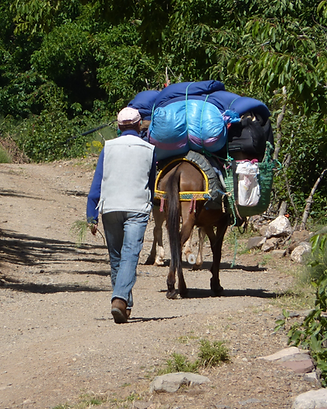
Across Colombia, thousands of working horses, donkeys, and mules endure difficult conditions while transporting goods, carrying heavy loads, and supporting vulnerable communities.
Many suffer from injuries, exhaustion, malnutrition, overwork, and limited access to veterinary care.
At Namigni Animal Sanctuary, our Working Equids Welfare Program is dedicated to improving the lives of these animals through veterinary support, rescue, education, and compassionate long-term solutions.
Building Practical Solutions
VETERINARY CLINICS, WELFARE SUPPORT, AND EMERGENCY RESCUE
Because many working equids cannot simply be removed from the environments where they live and work, our approach focuses on reducing suffering directly within vulnerable communities. Through monthly veterinary clinics, emergency medical support, owner education, and welfare outreach, we help improve conditions for working horses, donkeys, and mules across Colombia.
When animals face catastrophic injuries, abandonment, or severe abuse, we also intervene through direct rescue and rehabilitation efforts, providing medical treatment, recovery, and lifelong sanctuary whenever necessary.

Working Together for Change
PARTNERSHIP WITH ANIMAL AID ABROAD FOR WORKING ANIMALS
Our Working Equids Welfare Program is developed in active partnership with Animal Aid Abroad, an international organization dedicated to improving the lives of working animals worldwide.
Together, we are expanding access to veterinary care, strengthening community outreach, and building sustainable welfare initiatives that create lasting impact for vulnerable working equids throughout Colombia.
How You Can Help
SUPPORT WORKING HORSES, DONKEYS, AND MULES IN COLOMBIA
By supporting this program, you help fund veterinary clinics, emergency treatment, rescue operations, medical supplies, rehabilitation, and direct welfare support for working equids in need.
Together, we can help create a future where working horses, donkeys, and mules are treated with the dignity, compassion, and care they deserve


